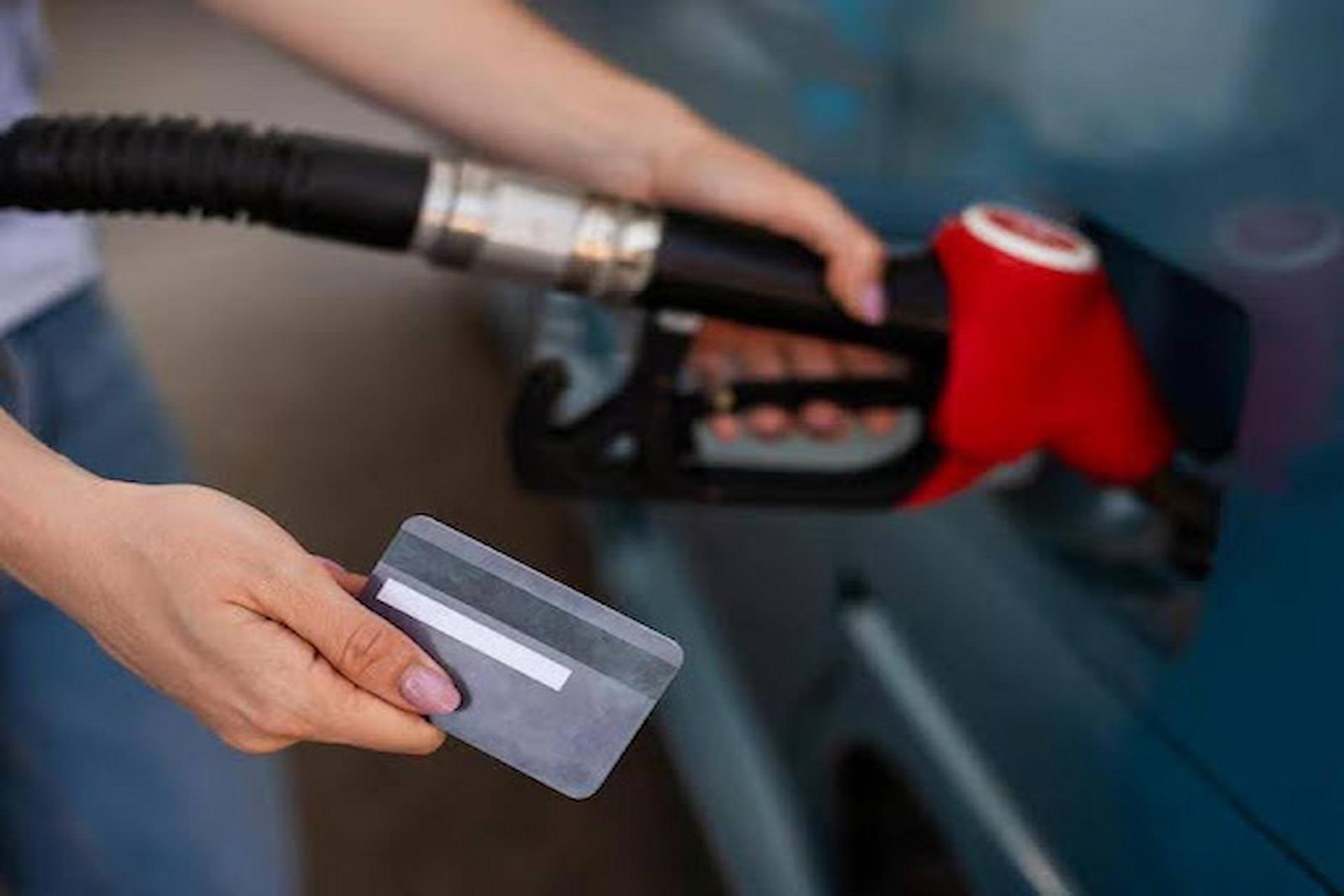
Fuel cards are changing the way companies handle fuel expenses by reducing paperwork, improving cost control, and simplifying reporting. With automated tracking and clearer insights, businesses can cut administrative effort while keeping fuel costs firmly in check—the following overview explains how fuel cards make day-to-day operations more efficient and cost-effective.
Fuel is one of those unavoidable business expenses that rarely gets strategic attention until costs spiral or admin teams feel overwhelmed. For companies operating fleets—whether delivery vans, service vehicles, or sales cars—fuel spending often involves scattered receipts, manual expense claims, delayed reimbursements, and limited visibility. Over time, these inefficiencies increase operating costs and pull staff away from higher-value work.
This is where fuel cards quietly reshape how businesses manage transport expenses. Instead of relying on cash advances or reimbursement cycles, fuel cards centralise purchases, standardise reporting, and introduce accountability at every transaction. Providers such as AI Corporation focus on solutions that simplify administration while helping companies control costs at scale. The result is not just savings at the pump, but meaningful reductions in back-office workload and financial friction.
The Hidden Administrative Burden of Fuel Expenses
Fuel administration rarely appears complex on paper, yet it consumes significant time across departments.
Common challenges include:
- Collecting and verifying paper receipts
- Processing employee expense claims
- Reconciling fuel purchases with mileage logs
- Tracking fuel usage across multiple vehicles
- Managing VAT recovery and compliance
Each step introduces delays and errors. Finance teams spend hours validating claims, while drivers lose time submitting paperwork. The cumulative impact is a slow, inefficient process that grows harder to manage as fleets expand.
Fuel cards address this problem by replacing fragmented workflows with a single, controlled payment system.
How Fuel Cards Simplify Day-to-Day Operations
At their core, fuel cards function as dedicated payment cards used exclusively for fuel and approved vehicle expenses. However, their real value lies in how they automate routine tasks.
Centralised billing
Instead of hundreds of individual transactions, businesses receive a consolidated invoice. This reduces reconciliation work and provides a clear overview of total fuel spend in one place.
Automated transaction records
Every purchase is digitally recorded with details such as date, location, fuel type, and amount. This removes the need for manual data entry and paper storage.
Reduced reimbursement cycles
Drivers no longer pay out of pocket. Eliminating reimbursements saves time for employees and finance teams alike.
In practical terms, fuel cards convert a labour-intensive process into a streamlined system that runs quietly in the background.
Gaining Control Over Fuel Spending
Beyond admin efficiency, fuel cards offer greater financial discipline. Unmonitored fuel spending often leads to budget creep, especially when multiple drivers use different payment methods.
Fuel card platforms typically allow businesses to:
- Set spending limits per vehicle or driver
- Restrict fuel types or purchase times
- Monitor unusual spending patterns
- Receive alerts for policy breaches
These controls reduce misuse and ensure fuel spending aligns with operational needs. Over time, businesses gain cleaner data that supports better budgeting and forecasting.
Solutions offered by AI Corporation emphasise transparency and spend control, enabling organisations to make informed decisions rather than relying on assumptions.
Reporting That Actually Supports Decision-Making
One of the most overlooked benefits of fuel cards is structured reporting. Traditional methods produce scattered data that is difficult to analyse. Fuel card systems, by contrast, generate consistent and usable reports.
Reports can highlight:
- Cost per vehicle or department
- Fuel consumption trends over time
- High-spend locations or routes
- Opportunities to improve efficiency
When finance and operations teams have access to reliable data, conversations shift from reactive cost-cutting to proactive optimisation. This clarity supports smarter planning without adding reporting complexity.
Compliance, Tax, and Audit Simplicity
Fuel expenses often involve tax considerations, especially where VAT or fuel duty recovery applies. Manual processes increase the risk of errors or missed claims.
Fuel cards simplify compliance by:
- Providing itemised invoices suitable for tax reporting
- Reducing missing or invalid receipts
- Creating clear audit trails for every transaction
For growing businesses, this consistency reduces audit stress and ensures financial records remain accurate throughout the year.
Scaling Without Adding Admin Headcount
As fleets grow, admin demands typically grow with them. More vehicles mean more receipts, more claims, and more reconciliation. Fuel cards break this pattern.
Because fuel card systems are designed to scale, adding vehicles does not proportionally increase admin workload. New drivers can be issued cards quickly, and their spending integrates seamlessly into existing reports.
This scalability allows companies to expand operations without expanding back-office complexity—a key advantage in competitive markets.
Cost Reduction Beyond Fuel Prices
While fuel discounts are often highlighted, administrative savings are equally valuable. Reduced processing time, fewer errors, and improved oversight all translate into lower operational costs.
Indirect savings include:
- Fewer hours spent on expense processing
- Lower risk of fraud or misuse
- Faster month-end closing
- Improved cash flow visibility
Over time, these efficiencies compound, delivering measurable value beyond the fuel bill itself.
Actionable Tips for Using Fuel Cards Effectively
To maximise the benefits of fuel cards, businesses should take a structured approach:
- Define clear usage policies for drivers before issuing cards
- Set realistic spending limits aligned with vehicle roles
- Review reports regularly to spot trends early
- Integrate fuel data into broader cost management discussions
- Train staff on proper usage to avoid misuse or confusion
These steps ensure fuel cards remain a control tool rather than just another payment method.
Why Fuel Cards Support Long-Term Operational Health
Fuel cards are not merely a convenience. They represent a shift toward disciplined, data-driven fleet management. By reducing manual work, improving accuracy, and increasing visibility, they free teams to focus on strategic priorities rather than routine administration.
Businesses working with providers like AI Corporation benefit from systems designed to align financial control with operational reality. The emphasis is not on complexity, but on clarity and consistency across the organisation.
Conclusion: Turning Fuel Expenses Into a Strategic Advantage
Fuel costs will always be part of running a fleet, but inefficiency does not have to be. Fuel cards transform how businesses handle one of their most persistent operational challenges. By centralising payments, automating reporting, and tightening spending controls, they reduce administrative strain while improving financial oversight.
The true value lies in what businesses gain back—time, clarity, and confidence in their data. Instead of chasing receipts or correcting errors, teams can focus on growth, service quality, and smarter decision-making. For organisations seeking to modernise expense management without disruption, fuel cards supported by providers such as AI Corporation offer a practical and scalable path forward.