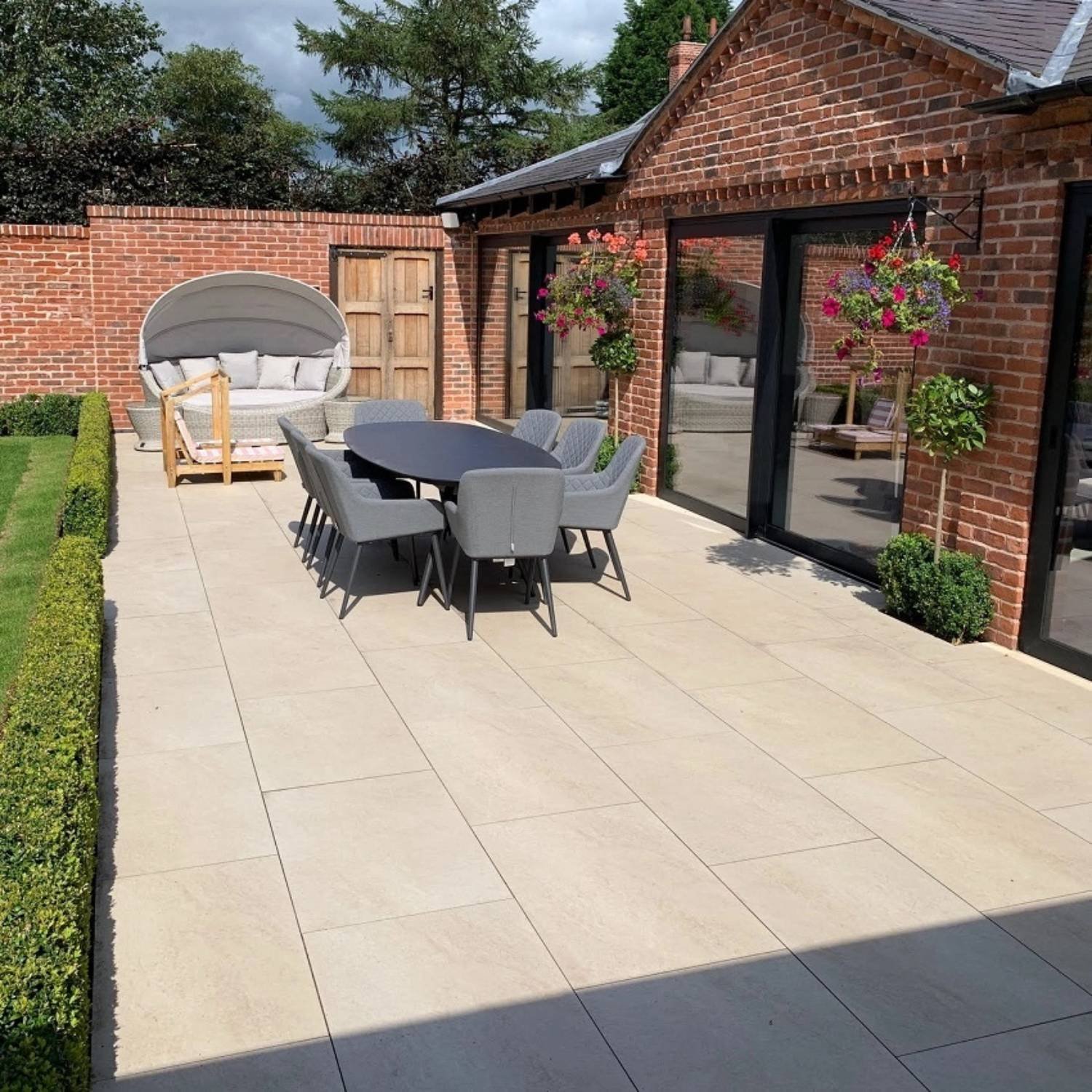
A well-designed patio can transform a garden into a practical outdoor living space for dining, relaxing and entertaining. However, the materials you choose will influence more than the finished appearance. Durability, maintenance requirements, drainage, comfort underfoot and your available budget all play an important role in determining whether a patio remains attractive and functional over time.
When planning an outdoor improvement, consulting experienced Patio builders Bournemouth can help you understand which materials suit your garden’s layout and intended use. Comparing the available options before construction begins also makes it easier to balance appearance, long-term performance and maintenance, ensuring the finished patio complements your home and outdoor surroundings.
Consider How You Plan to Use Your Patio
Before selecting paving materials, think about how the space will be used throughout the year. A patio intended for outdoor dining may need a stable, level surface for tables and chairs, while a garden designed for family gatherings might benefit from generous paving areas and clearly defined walking routes. Understanding these practical requirements helps narrow down suitable materials.
The garden’s existing conditions should also influence your decision. Consider the amount of sunlight, exposure to rain, surrounding trees and the condition of the ground. Shaded areas may remain damp for longer, while exposed spaces can experience greater temperature changes. These factors affect surface choice, cleaning requirements and the measures needed to create a durable patio.
Compare Popular Patio Materials
Different paving materials offer distinct advantages in appearance, cost and maintenance. Natural stone, porcelain paving, concrete slabs and block paving are common choices, each suited to different garden styles and practical requirements. Comparing these options carefully helps you select a surface that works with your property’s character rather than choosing solely on appearance.
For homeowners researching Patio builders Bournemouth, understanding the main material differences can make discussions with a contractor more productive. Consider these popular options:
- Natural stone: Offers individual patterns, textures and colour variations that can complement traditional and contemporary gardens.
- Porcelain paving: Provides a consistent finish and generally has low water absorption, although suitable outdoor-rated products and correct installation are essential.
- Concrete paving: Offers a range of shapes, sizes and finishes, often making it a practical option for different project budgets.
- Block paving: Allows flexible patterns and defined borders, making it useful for patios with distinctive layouts.
The best option depends on your design preferences, site conditions and maintenance expectations.
Choose Materials That Suit Your Budget
The initial cost of paving is only one part of the overall project expense. Preparation, excavation, ground stabilisation, drainage, bedding materials, labour and finishing details can all affect the final budget. A material with a lower purchase price may not offer the best overall value if it requires extensive preparation or more frequent maintenance.
Ask contractors to explain what their quotations include and whether the proposed materials are suitable for the intended installation. Compare equivalent specifications rather than relying on headline prices alone. It is also sensible to allow for necessary groundwork and finishing features, such as edging, steps or drainage channels, rather than spending the entire budget on the paving itself.
Prioritise Safety, Drainage and Durability
A patio must cope with changing weather conditions while remaining safe to use. Choose paving designed for outdoor installation, paying particular attention to slip resistance in areas that may become wet. Smooth surfaces can look attractive, but their suitability depends on the product’s finish and the conditions in which they will be used. Ask for product specifications before making a final decision.
Good drainage is equally important. Water should not collect on the patio or flow towards the house, where it could contribute to damp problems. Proper ground preparation, suitable falls and correctly installed joints help manage rainwater. A qualified contractor can assess the site and recommend an appropriate construction method based on the existing ground, levels and drainage requirements.
Match the Patio to Your Garden’s Style
The patio should complement the house and the surrounding landscape. Neutral paving can create a simple background for planting and outdoor furniture, while textured natural stone can introduce variation and character. Larger slabs may create a spacious appearance in a contemporary garden, whereas smaller paving units can suit more traditional designs.
Think about how the paving will connect with lawns, flower beds, pathways and other outdoor features. Consistent colours and carefully planned borders can help different areas feel connected without making the garden look uniform. Before committing to a material, view samples outdoors if possible, as natural light and nearby surfaces can change how colours and textures appear.
Conclusion
Choosing the best patio materials involves balancing appearance, durability, safety, maintenance and cost. Natural stone, porcelain, concrete and block paving each offer different benefits, so the right choice depends on your garden’s conditions and how you intend to use the space. Careful planning helps prevent unsuitable material choices and supports a more functional outdoor area.
Before starting construction, compare product specifications, assess drainage requirements and discuss the groundwork with an experienced contractor. A patio should suit your home and lifestyle while remaining manageable to maintain. By making informed decisions about materials and installation, you can create an outdoor space that provides lasting value and enjoyment.