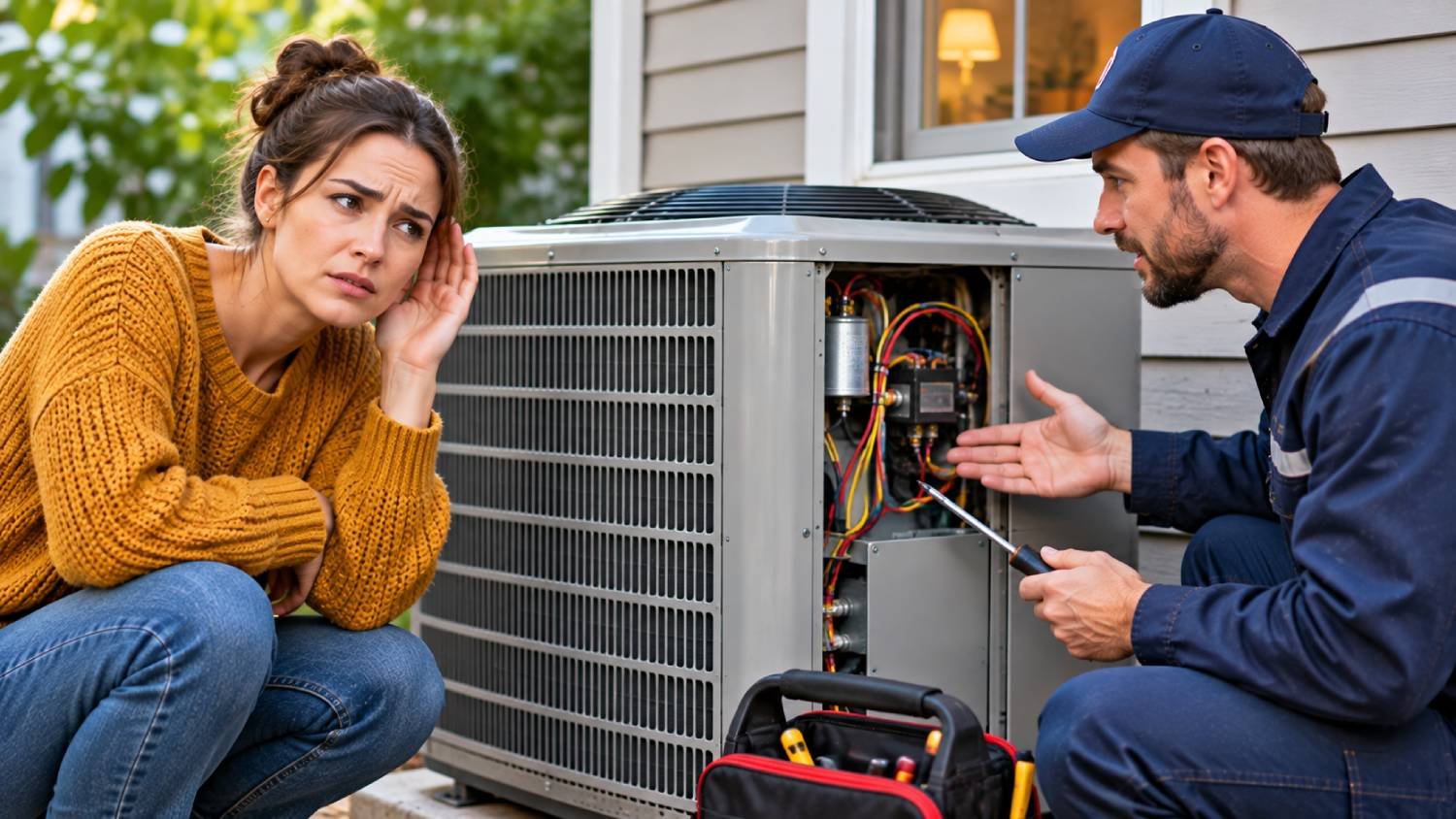
Unusual sounds from a heating or cooling system can be more than a minor annoyance. Rattling, banging, squealing, or persistent humming may indicate loose components, restricted airflow, or mechanical wear. While some noises are harmless, others can signal a developing fault that affects comfort, efficiency, or equipment safety.
Understanding these sounds can help homeowners recognise when a closer inspection is needed. If the problem continues or the system’s performance changes, consulting an HVAC contractor in Chambersburg, PA, can help identify the underlying cause and determine whether repair or maintenance is appropriate.
1. Banging or Popping Sounds
Loud banging from an HVAC system can have several causes, depending on when the noise occurs. In a furnace, a delayed ignition may produce a bang when accumulated gas ignites. This condition requires prompt professional attention because it can indicate a potentially dangerous combustion problem.
Popping sounds may also come from metal ductwork expanding as warm air moves through it and contracting as it cools. These noises often occur when the heating system starts or stops. Although occasional duct movement may be normal, loud or increasingly frequent banging should not be ignored.
If you suspect delayed ignition, stop using the furnace and arrange a professional assessment. If you smell gas, leave the building without operating electrical switches or using open flames, then contact the gas utility or emergency services from a safe location.
2. Squealing or High-Pitched Whistling
A high-pitched squeal can point to a mechanical issue, particularly in systems with moving blower components. Worn motor bearings, a damaged belt in belt-driven equipment, or other moving parts may create friction that produces this sound.
Whistling often has a different explanation. Air may be forced through a restricted opening, such as a dirty filter, a blocked return vent, or an improperly positioned vent cover. The resulting airflow restriction can make the system work harder to circulate air.
Start by checking whether supply and return vents are unobstructed. If the filter is dirty, replace it with the correct type and size recommended for the equipment. Persistent squealing, especially when accompanied by reduced airflow, warrants professional inspection.
3. Rattling and Vibrating Components
Rattling usually suggests that something is loose, vibrating, or making contact with another surface. Possible causes include unsecured access panels, loose fasteners, debris near a blower, or ductwork that vibrates when air moves through it.
The location and timing of the sound can provide useful clues. A rattle that starts when the blower runs may involve an air-moving component, while vibration around an exterior heat pump could have a different cause.
Homeowners can safely check accessible vent covers and visible panels when the equipment is switched off. Avoid removing internal covers or reaching into the unit. If the noise persists, a technician can inspect the fan assembly, fasteners, and other components before the problem causes further damage.
4. Humming or Buzzing Sounds
A low, steady hum is common in many HVAC systems, but a new or unusually loud buzz deserves attention. Electrical components, motors, transformers, and fans can produce humming sounds, while a failing electrical part may cause a more pronounced buzzing noise.
A system that hums but does not start properly may have an electrical fault or a problem with a motor or starting component. These issues should not be diagnosed by opening the equipment or handling wiring.
If buzzing is accompanied by a burning smell, visible smoke, sparks, or repeated breaker trips, stop using the system if you can do so safely and seek qualified assistance. Do not repeatedly reset a breaker that continues to trip, as this may indicate an underlying electrical problem.
5. Grinding or Scraping Noises
Grinding sounds can indicate that moving parts are rubbing against one another. A blower wheel may be loose or misaligned, a motor bearing may be worn, or debris may be interfering with a rotating component.
Continuing to run equipment with a grinding noise can worsen mechanical damage. A relatively limited problem may become more extensive if a damaged component affects surrounding parts.
Turn the system off if the grinding is loud, persistent, or accompanied by poor airflow. Arrange an inspection rather than attempting to adjust the blower or motor yourself. A professional can determine whether cleaning, adjustment, or component replacement is necessary.
6. Clicking During Startup or Operation
A few clicks when an HVAC system starts or stops may be normal. Thermostats, relays, and other controls can produce brief sounds as the system changes operating states.
Repeated clicking without successful startup is more concerning. It may indicate a control issue, an electrical fault, or a component struggling to engage. Clicking that continues throughout operation may also require investigation.
Check the thermostat settings and confirm that the system has power, provided there are no signs of an electrical hazard. If the unit repeatedly clicks without heating or cooling properly, arrange professional diagnosis instead of repeatedly switching it on and off.
7. Gurgling, Bubbling, or Hissing
Gurgling or bubbling may occur when refrigerant moves through a heat pump or air conditioner, but a new or persistent sound should be assessed in context. In some situations, unusual bubbling can accompany a refrigerant problem or an issue with a condensate drain.
Hissing can have several explanations, including escaping air from ductwork or a refrigerant leak. Refrigerant systems should be handled by qualified professionals because diagnosing and repairing leaks requires appropriate equipment and procedures.
If you notice hissing alongside reduced cooling, ice on refrigerant lines, or unexplained performance changes, switch off the equipment if advised by its instructions and arrange an inspection. Do not attempt to locate or repair a refrigerant leak yourself.
8. Loud Whooshing or Unusually Strong Airflow
A sudden increase in airflow noise may indicate that air is moving through a restricted passage or that a component is operating differently than usual. Dirty filters, closed vents, blocked return grilles, and ductwork problems can all contribute to excessive noise.
Check the filter and make sure furniture, curtains, or stored items are not obstructing vents. Keep in mind that closing multiple vents can interfere with the system’s intended airflow, so avoid using vent closures to balance temperatures without appropriate guidance.
If the noise continues after basic checks, a technician can assess the blower, ductwork, and airflow conditions. Correcting the underlying issue may help restore quieter operation and reduce unnecessary strain on the equipment.
When Should You Call an HVAC Professional?
Some sounds can be investigated through simple external checks, but internal mechanical and electrical repairs require suitable training. Professional help is particularly important when noises become louder, occur more frequently, or coincide with poor heating, weak airflow, repeated shutdowns, or unusual odors.
When contacting an HVAC contractor in Chambersburg, PA, describe the sound, when it occurs, and whether the system still heats or cools effectively. This information can help narrow down potential causes. Routine maintenance can also identify worn components, airflow restrictions, and other developing problems before they lead to an unexpected breakdown.
Final Thoughts
Unusual HVAC noises often provide an early indication that something needs attention. Identifying the type of sound, noticing when it occurs, and checking accessible items such as filters and vents can help distinguish routine operating noises from potential faults.
Avoid ignoring persistent changes or attempting repairs involving electrical parts, motors, gas, or refrigerant. If the cause is unclear or system performance has declined, contact an HVAC contractor in Chambersburg, PA, for an appropriate assessment and address developing problems before they become more serious.