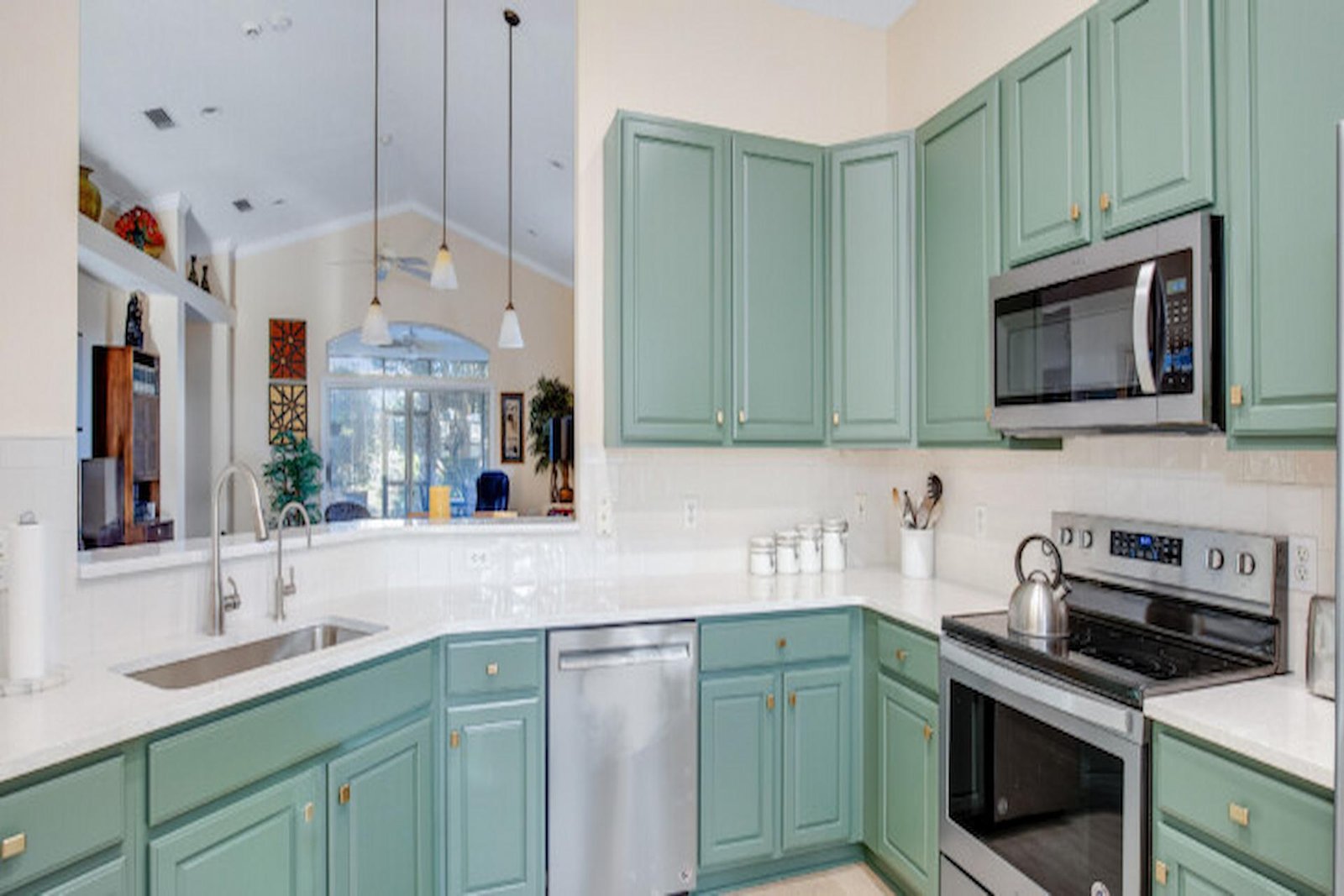
A kitchen makeover often tops the list of home improvement projects, but a complete renovation can be expensive, time-consuming, and disruptive. The good news is that you do not always need to tear everything out to achieve a fresh new look. Kitchen cabinet refacing offers a practical middle ground that can dramatically improve the appearance of your kitchen while keeping costs under control.
For many homeowners, cabinets take up the largest visual space in the kitchen. When doors look dated or worn, the entire room can feel tired. Cabinet refacing allows you to update the style, colour, and finish of your cabinetry without replacing the existing cabinet framework. The result is a transformed kitchen that looks modern and refreshed without the expense of a full remodel.
What Is Kitchen Cabinet Refacing?
Kitchen cabinet refacing involves keeping the existing cabinet boxes while replacing visible components such as doors, drawer fronts, hinges, and handles. A matching veneer or laminate is then applied to the cabinet frames so everything looks new and consistent.
This process works well when cabinet structures remain solid and functional. If the layout works for your needs and the cabinet boxes are in good condition, refacing can provide a significant visual upgrade without unnecessary demolition.
Unlike full cabinet replacement, refacing focuses on appearance rather than changing the overall kitchen layout. That makes it an attractive option for homeowners who are happy with their kitchen’s design but want a more modern and appealing look.
Why Homeowners Choose Cabinet Refacing
One of the biggest advantages of cabinet refacing is cost savings. A complete cabinet replacement often represents one of the most expensive parts of a kitchen renovation. Refacing can typically reduce those costs while still delivering a dramatic transformation.
Another major benefit is reduced disruption. Full cabinet replacement may leave a kitchen unusable for weeks. Refacing projects are generally completed much faster, allowing homeowners to return to normal routines sooner.
Many people also appreciate the environmental benefits. Because the existing cabinet boxes remain in place, fewer materials end up in landfill. This approach reduces waste while extending the life of quality cabinetry.
Popular Material Options
The material you choose will influence the appearance, durability, and cost of the project. Wood remains a popular choice because of its natural beauty and timeless appeal. It can be stained or painted to suit a wide range of kitchen styles, from traditional to contemporary. Solid wood doors generally offer excellent longevity and can be refinished in the future.
Laminate is another common option. It is available in numerous colours, patterns, and finishes. Modern laminates can mimic wood grain surprisingly well while offering easy maintenance and affordability.
Thermofoil doors feature a vinyl coating applied over engineered wood. They provide a smooth, uniform appearance and are available in many colours. They are often chosen for modern kitchens due to their clean and sleek look. The best material depends on your budget, design preferences, and long-term expectations.
Cabinet Refacing vs Full Replacement
Many homeowners struggle to decide between refacing and replacement. The right choice depends largely on the condition of the existing cabinets.
Cabinet Refacing Is Best When:
- Cabinet boxes are structurally sound and free from damage.
- Shelves and internal storage remain functional.
- The current kitchen layout works well for daily use.
- You want a fresh, updated appearance without major construction.
- Budget is a key consideration.
- You want to minimise disruption and project timelines.
Full Cabinet Replacement Is Best When:
- Cabinets have water damage, warping, or structural issues.
- Storage capacity no longer meets household needs.
- The kitchen layout feels inefficient or outdated.
- You plan to relocate appliances or alter the floor plan.
- Existing cabinets are beyond repair.
- You want complete design flexibility and customisation.
For homeowners primarily seeking a cosmetic upgrade, cabinet refacing often provides the best balance of cost, appearance, and convenience. However, when structural problems or major design changes are involved, full cabinet replacement may deliver better long-term value.
Understanding the Costs
Cabinet refacing costs vary depending on kitchen size, material selection, hardware upgrades, and labour rates in your area.Smaller kitchens generally require fewer materials and less labour, making them more affordable. Premium wood species, custom door styles, and decorative finishes will increase the overall budget.
While refacing costs more than simply painting cabinets, it typically remains far less expensive than a full cabinet replacement project. Many homeowners find that the visual impact delivers excellent value for the investment. When requesting quotes, make sure contractors clearly explain what is included. Hardware upgrades, soft-close hinges, crown moulding, and interior cabinet improvements may affect pricing.
Can You Reface Cabinets Yourself?
DIY cabinet refacing is possible, but it requires patience, attention to detail, and a reasonable level of practical skill. Applying veneer evenly can be challenging. Small mistakes may become highly visible once the project is complete. Precise measurements are essential, particularly when installing new doors and drawer fronts.
For homeowners with experience in home improvement projects, a DIY approach may offer additional savings. However, many people find that professional installation produces cleaner results and reduces the risk of costly errors. Before starting, honestly assess your skills, available time, and comfort level with detailed finishing work.
How to Find a Reliable Contractor
Choosing the right contractor plays a major role in the success of a cabinet refacing project. Look for professionals who specialise in cabinetry rather than general contractors who only occasionally perform refacing work. Review previous projects, request references, and ask to see examples of completed kitchens.
A reputable contractor should provide a detailed written quote, realistic project timeline, and clear explanation of materials being used. Avoid choosing solely based on the lowest price. Experience, craftsmanship, and customer satisfaction often provide better long-term value.
Good communication is equally important. Contractors should answer questions clearly and help you understand every stage of the process.
Coordinating Refacing with Other Kitchen Upgrades
Many homeowners choose to combine cabinet refacing with other kitchen improvements to create a more complete transformation without the cost of a full renovation. Pairing projects together can improve the overall appearance of the space and help ensure that all design elements work well together.
- Install new countertops to complement the updated cabinet style and colour.
- Add a modern backsplash to introduce texture, character, and visual interest.
- Replace outdated cabinet handles and knobs for a fresh, finished look.
- Upgrade lighting fixtures to brighten the space and highlight new cabinetry.
- Consider under-cabinet lighting for improved functionality and ambience.
- Match new fixtures and finishes for a cohesive kitchen design.
- Plan all upgrades together to avoid conflicting styles or colours.
- Coordinate projects at the same time to reduce installation disruptions.
- Review material samples side by side before making final decisions.
- Create a clear budget that includes all planned kitchen improvements.
By planning these upgrades together, homeowners can achieve a more polished and balanced kitchen design while often saving time and reducing overall project costs.
.Frequently Asked Questions
How long does kitchen cabinet refacing take?
Most kitchen cabinet refacing projects take between three and seven days, depending on kitchen size, material choices, and project complexity.
Is cabinet refacing worth the money?
Yes. Cabinet refacing offers a significant visual upgrade at a lower cost than full cabinet replacement, making it a popular value-focused renovation option.
Can all kitchen cabinets be refaced?
No. Cabinets must be structurally sound and free from major water damage or deterioration for refacing to be effective.
How long do refaced cabinets last?
Professionally refaced cabinets can last 15 to 20 years or more with proper care and maintenance.
Does cabinet refacing increase home value?
Refacing can improve kitchen appearance and buyer appeal, which may positively influence resale value when completed professionally.
Conclusion
Kitchen cabinet refacing is one of the smartest ways to achieve a fresh, modern kitchen without the cost and disruption of a full renovation. By preserving existing cabinet structures and updating the visible surfaces, homeowners can enjoy a dramatic transformation while keeping budgets under control. Whether you choose wood, laminate, or thermofoil finishes, careful planning and quality workmanship can produce results that look almost indistinguishable from brand-new cabinetry. For kitchens with solid cabinet boxes and a functional layout, refacing offers an attractive, practical, and cost-effective path to a beautiful new space.