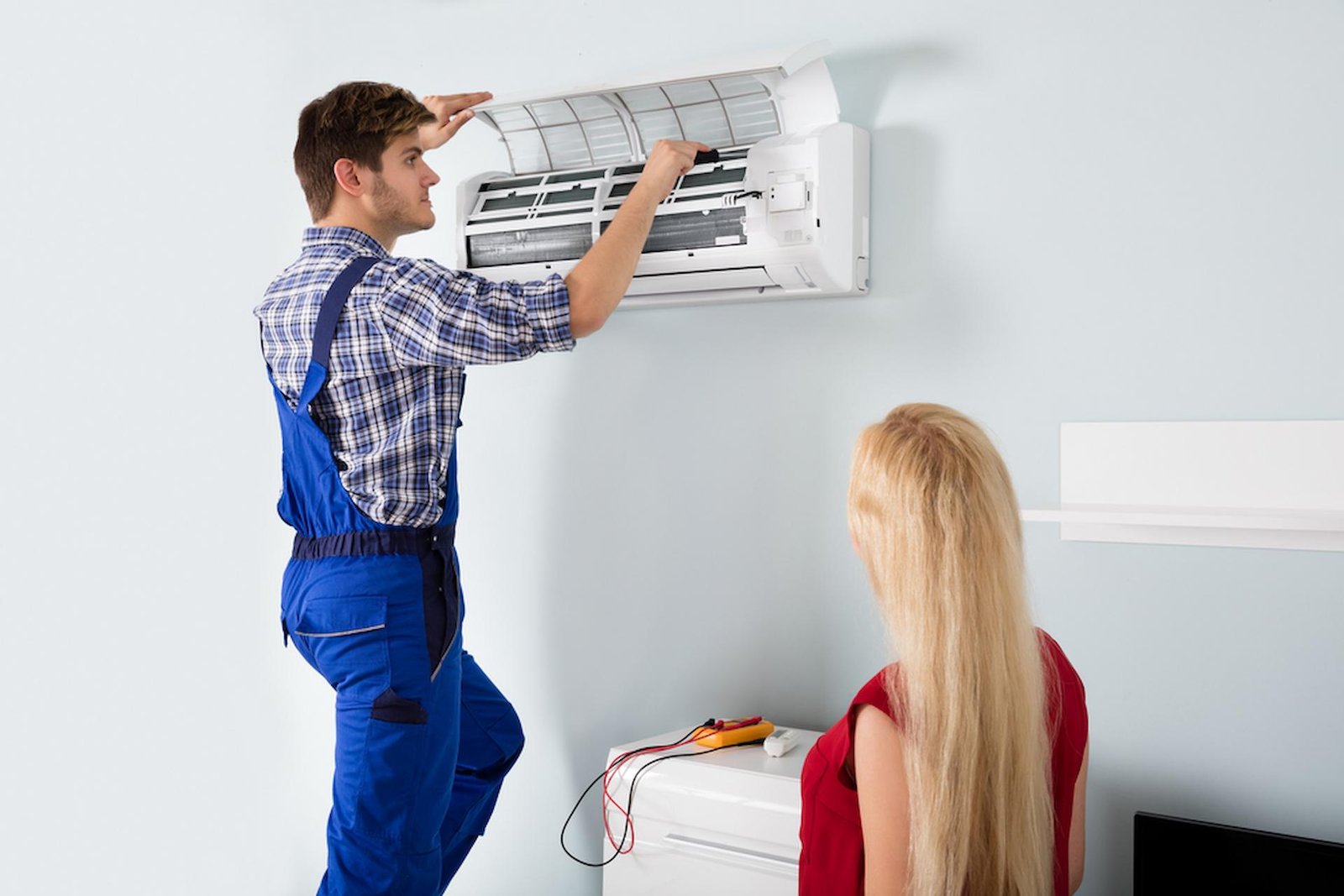
Your heating and cooling system plays a major role in keeping your home comfortable throughout the year. Yet many homeowners ignore early warning signs until a small issue becomes a serious and expensive problem. If you notice unusual noises, weak airflow, or uneven temperatures, scheduling professional HVAC repair in Stephenson, VA, early can help prevent sudden breakdowns and costly damage. Paying attention to these signs not only protects your system but also improves energy efficiency and indoor comfort.
Modern HVAC systems work hard during both summer and winter. Over time, normal wear and tear can reduce performance, increase energy use, and create hidden safety concerns. Recognising the signs early allows homeowners to fix problems before they affect the entire system.
Uneven Temperatures Throughout the Home
One of the most common signs of HVAC trouble is inconsistent temperature control. If some rooms feel too warm while others remain cold, your system may no longer be distributing air properly.
Uneven temperatures often point to airflow problems, ductwork issues, or components struggling to operate efficiently. In many cases, homeowners first notice the problem during periods of extreme weather when the system works harder than usual.
Hot and Cold Spots in Different Rooms
Temperature differences between rooms can happen for several reasons, including:
- Leaking or blocked ductwork
- Dirty air filters
- Ageing blower motors
- Improper airflow balancing
- Thermostat calibration issues
Ignoring these problems can place extra strain on the system and increase monthly energy costs.
Weak Airflow From Vents
Weak airflow is another warning sign that should not be ignored. If air barely comes through the vents, the system may be struggling because of:
- Clogged filters
- Damaged ductwork
- Fan motor problems
- Blocked vents
- Compressor issues
Reduced airflow not only affects comfort but can also cause your HVAC system to work longer than necessary.
Strange Noises Coming From the System
Heating and cooling systems naturally make some sound during operation, but loud or unusual noises often signal mechanical problems.
Sudden changes in noise levels usually indicate that parts have become loose, damaged, or worn out.
Banging and Clanking Sounds
Banging noises often suggest loose internal components or damaged moving parts. These sounds can come from:
- Loose blower assemblies
- Broken motor mounts
- Damaged fan blades
- Failing compressors
If left unresolved, these issues can lead to more serious mechanical failure.
Squealing or Whistling Noises
High-pitched sounds are commonly linked to airflow restrictions or worn belts. Possible causes include:
- Dirty filters
- Belt wear
- Blocked ducts
- Fan motor strain
These issues may seem minor at first, but they can reduce efficiency and shorten the system’s lifespan.
Grinding Sounds
Grinding noises usually point to motor or bearing problems. This type of sound should always be inspected quickly because continued operation can permanently damage major components.
Rising Energy Bills Without Explanation
A sudden increase in energy costs without major changes in usage often means the HVAC system is no longer operating efficiently.
When heating and cooling equipment struggles to maintain indoor temperatures, it consumes more electricity or fuel to achieve the same results.
Short Cycling Problems
Short cycling happens when the system turns on and off repeatedly without completing a full heating or cooling cycle.
This problem can result from:
- Thermostat malfunctions
- Dirty filters
- Refrigerant issues
- Oversized equipment
- Electrical faults
Frequent cycling increases wear on components and raises utility bills.
Older Components Losing Efficiency
As HVAC systems age, parts naturally become less efficient. Even if the system still works, declining performance can lead to:
- Higher operating costs
- Reduced airflow
- Slower temperature control
- Increased repair frequency
Routine inspections can help identify ageing parts before they fail completely.
Unpleasant Smells or Poor Indoor Air Quality
Your HVAC system directly affects indoor air quality. Strange smells or excessive dust inside the home may indicate hidden system problems.
Poor indoor air quality can impact comfort, allergies, and even respiratory health.
Musty Odours
A damp or musty smell often points to moisture buildup inside the system. This can encourage mould growth in:
- Ductwork
- Drain lines
- Evaporator coils
- Air handlers
Mould and mildew can spread through the home if the issue is not addressed quickly.
Burning Smells
Burning odours should never be ignored. These smells may signal:
- Electrical overheating
- Wiring problems
- Motor failure
- Dust burning on heating elements
If the smell persists, it is best to turn the system off and arrange professional inspection immediately.
Increased Dust and Allergens
A noticeable rise in dust levels or allergy symptoms may indicate:
- Dirty filters
- Leaking ducts
- Poor ventilation
- Clogged components
Regular maintenance helps improve airflow and maintain healthier indoor air.
Frequent Repairs and Recurring Issues
Occasional HVAC repairs are normal, but repeated service calls often suggest a larger underlying problem.
If the same issue continues returning, the system may be nearing the end of its useful life.
Age of the HVAC System
Most heating and cooling systems last between 10 and 15 years with proper maintenance. Older systems often experience:
- Declining efficiency
- Frequent breakdowns
- Rising repair costs
- Difficulty maintaining temperatures
At a certain point, replacement may become more cost-effective than continued repairs.
Seasonal Breakdowns
Many systems fail during periods of extreme heat or cold because that is when demand is highest. If your HVAC system regularly struggles during peak seasons, it may need immediate attention before complete failure occurs.
Warning Signs That Require Immediate Professional Attention
Some HVAC issues should never be delayed because they may involve safety risks or major equipment damage.
Contact a professional immediately if you notice:
- Burning smells
- Water leaking around the unit
- Complete airflow loss
- Refrigerant leaks
- Electrical buzzing sounds
- Sudden shutdowns
- Frozen evaporator coils
Fast action can prevent larger repair costs and reduce the risk of total system failure.
Preventative Maintenance Helps Avoid Emergency Repairs
Routine maintenance is one of the best ways to keep heating and cooling systems running efficiently throughout the year.
Preventative care helps identify small problems before they become expensive emergencies.
Benefits of Routine HVAC Maintenance
Professional maintenance offers several long-term benefits:
- Lower energy bills
- Improved airflow
- Better indoor comfort
- Longer equipment lifespan
- Reduced breakdown risk
- Cleaner indoor air
Simple tasks such as replacing filters, cleaning vents, and scheduling seasonal inspections can significantly improve system performance.
Seasonal HVAC Inspections Matter
Scheduling inspections before summer and winter helps ensure your system is prepared for heavy use. Technicians can identify worn components, test airflow, and make adjustments that improve efficiency and reliability.
Conclusion
Heating and cooling systems rarely fail without warning. In many cases, homeowners notice unusual sounds, rising energy bills, weak airflow, or uneven temperatures long before a complete breakdown occurs. Recognising these warning signs early can help prevent expensive repairs, improve efficiency, and maintain a comfortable indoor environment throughout the year.
Regular maintenance and prompt repairs are essential for keeping your HVAC system operating safely and efficiently. Taking action at the first sign of trouble can save money, reduce stress, and extend the life of your heating and cooling equipment.