Introduction
Older heating systems can become less reliable and more hazardous as they age, especially when regular maintenance is ignored. Gas boilers, furnaces, and central heating systems often experience wear and tear that affects both performance and safety over time. Routine gas safety inspections are essential for identifying hidden problems such as gas leaks, carbon monoxide risks, damaged heat exchangers, and inefficient combustion.
Homeowners who invest in professional heating system inspections can improve energy efficiency, lower heating costs, and reduce the risk of unexpected breakdowns during colder months. Trusted gas service experts play a critical role in maintaining safe and efficient heating systems by carrying out detailed inspections, preventative maintenance, and safety checks. With rising energy costs and growing concerns about home safety, routine gas appliance inspections have become more important than ever for protecting both property and occupants.
The Risks That Come With Older Heating Systems
Gas-powered heating systems contain multiple components that naturally deteriorate over time. Burners may become clogged, seals can weaken, and ventilation systems may no longer operate as efficiently as they once did. Even small faults can create significant safety concerns if they are ignored for too long.
One of the most serious risks linked to older systems is carbon monoxide leakage. Carbon monoxide is an odourless and colourless gas that can be extremely dangerous when inhaled in enclosed spaces. Faulty combustion or blocked flues are common causes of these leaks in ageing heating units.
Older systems are also more vulnerable to gas leaks. Pipes, valves, and connectors can corrode or loosen over the years. A routine inspection allows qualified engineers to detect these issues early before they put occupants at risk.
Why Routine Inspections Matter
Regular gas safety inspections are designed to identify faults that may not be immediately visible to homeowners. Many heating problems develop gradually, meaning the system may continue running even while safety standards decline.
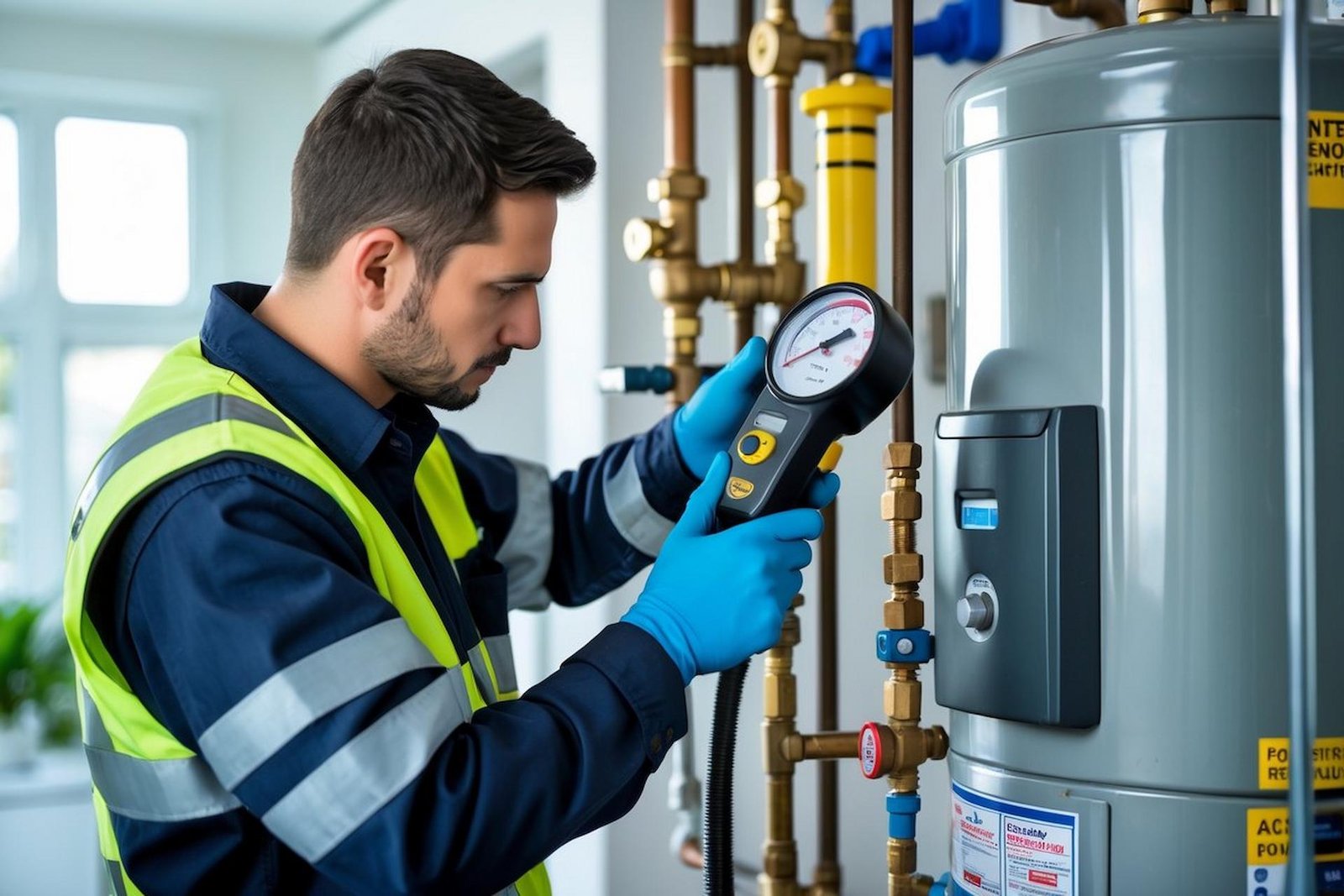
During an inspection, engineers check several important areas, including:
- Gas pressure and flow
- Burner performance
- Ventilation and flue condition
- Heat exchanger integrity
- Signs of corrosion or wear
- Carbon monoxide emissions
These checks help ensure the system is operating safely and efficiently. Early detection of problems often prevents larger repair costs later on.
Routine inspections also support compliance with current safety regulations. While safety standards continue to improve, older systems may no longer meet modern requirements unless they are properly maintained.
Efficiency Declines as Systems Age
An ageing heating system often becomes less efficient over time. Dirt accumulation, worn components, and outdated technology can all reduce performance. As efficiency drops, homeowners may notice higher energy bills without any improvement in comfort levels.
A poorly maintained system must work harder to produce the same amount of heat. This increased strain can accelerate wear on internal components and raise the likelihood of sudden breakdowns during winter.
Professional inspections help identify efficiency issues before they worsen. Cleaning burners, adjusting gas pressure, and replacing worn parts can improve overall performance and reduce energy waste.
In many cases, inspections also help homeowners decide whether continued maintenance is practical or whether upgrading to a newer system may offer better long-term value.
Carbon Monoxide Detection Is Essential
Carbon monoxide remains one of the biggest concerns associated with older gas heating systems. According to UK health and safety organisations, faulty gas appliances are responsible for numerous carbon monoxide incidents every year.
The danger of carbon monoxide exposure is that symptoms often resemble common illnesses. Headaches, dizziness, nausea, and fatigue may develop gradually, making the issue difficult to recognise immediately.
Routine inspections help detect incomplete combustion and ventilation issues that could allow carbon monoxide to build up indoors. Engineers may also recommend installing or testing carbon monoxide alarms to provide additional protection.
Many homeowners rely on experienced gas service experts to carry out these detailed checks and ensure heating systems continue operating safely throughout the year.
Older Systems Often Hide Internal Damage
One challenge with ageing heating equipment is that some faults remain hidden until significant damage has already occurred. Internal corrosion, cracked heat exchangers, or weakened seals may not show obvious external signs at first.
Without professional inspections, these problems can continue developing unnoticed. Eventually, they may lead to gas leaks, unsafe combustion, or complete system failure.
Heating systems installed many years ago may also contain outdated materials that are more susceptible to deterioration. Regular maintenance helps identify these weaknesses early so repairs can be completed before larger complications arise.
In some situations, engineers may advise partial upgrades to improve safety while preserving the main system. This can be a practical option for homeowners who are not yet ready for a full replacement.
Seasonal Inspections Help Prevent Winter Breakdowns
Heating systems typically experience their highest workload during winter. Unfortunately, this is also when many older systems fail due to increased demand. A breakdown during cold weather can be inconvenient, uncomfortable, and expensive.
Scheduling inspections before winter begins allows engineers to prepare the system for heavier usage. Preventive maintenance can reduce the risk of emergency repairs and help ensure reliable heating during colder months.
Seasonal inspections may include:
- Cleaning internal components
- Testing ignition systems
- Inspecting flues and ventilation
- Checking thermostat performance
- Verifying safe gas operation
Taking these preventive steps often improves system reliability while helping homeowners avoid unexpected repair costs during peak heating season.
When Replacement May Be the Safer Option
While inspections and maintenance can extend the life of older systems, there comes a point when replacement may be the safest and most cost-effective solution. Heating systems that require frequent repairs or show signs of major internal damage may no longer operate safely despite ongoing maintenance.
Modern heating systems are generally more energy-efficient and include advanced safety features that older models may lack. Replacing an outdated unit can improve indoor comfort, reduce utility costs, and provide greater peace of mind.
A professional inspection provides valuable information that helps homeowners make informed decisions about whether repair or replacement is the better choice.
Conclusion
Older heating systems can continue functioning effectively for many years when properly maintained, but they also carry greater safety risks as components age. Routine gas safety inspections play an essential role in detecting leaks, preventing carbon monoxide exposure, improving efficiency, and reducing the likelihood of costly breakdowns.
Regular inspections allow homeowners to address small problems before they become dangerous or expensive. They also help ensure heating systems remain compliant with modern safety standards while operating as efficiently as possible.
Whether a system is showing signs of wear or simply approaching the later stages of its lifespan, professional inspections provide reassurance that the equipment is operating safely. For households relying on ageing gas-powered heating systems, routine maintenance is not just a recommendation it is an important part of protecting both property and personal safety.