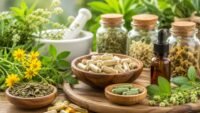
A longer, healthier life is no longer measured only by years lived but by the ability to stay active, independent, and mentally sharp. Scientists are increasingly discovering that one of the most influential factors in healthy aging lies within the digestive system. The trillions of microorganisms that inhabit the gut affect digestion, immune response, metabolism, and even cognitive function. As research continues to reveal the connection between gut health and overall wellness, attention is turning toward strategies that support a balanced microbiome and promote vitality throughout the aging process.
Overview
A growing body of evidence suggests that Probiotic supplements may help support healthy aging by encouraging beneficial bacteria in the gut. While aging naturally brings changes to digestion, immunity, and nutrient absorption, maintaining a healthy microbiome can help the body adapt more effectively. Researchers are now exploring how probiotics may contribute to longevity, improved resilience, and a better quality of life for older adults.
Understanding the Gut Microbiome and Aging
The gut microbiome consists of trillions of bacteria, fungi, and other microorganisms that live primarily in the digestive tract. These microbes play an important role in breaking down food, producing vitamins, regulating inflammation, and supporting immune function.
As people age, the diversity and balance of the gut microbiome often decline. Factors such as dietary changes, medication use, reduced physical activity, and chronic health conditions can alter microbial populations. This shift may contribute to digestive discomfort, weakened immunity, and increased inflammation, all of which are associated with age-related health concerns.
Why Microbial Diversity Matters
A diverse microbiome is generally linked to better health outcomes. Greater bacterial variety allows the body to perform a wider range of functions, including nutrient metabolism and protection against harmful pathogens.
Research indicates that Probiotic supplements may help maintain microbial diversity by introducing beneficial strains that support gut balance. While they are not a substitute for a healthy lifestyle, they can serve as a valuable addition to broader wellness strategies aimed at supporting healthy aging.
The Link Between Gut Health and Longevity
Scientists have identified several ways the gut microbiome may influence longevity. One of the most significant involves chronic low-grade inflammation, often referred to as “inflammaging.” Persistent inflammation is associated with cardiovascular disease, cognitive decline, metabolic disorders, and other age-related conditions.
A healthy microbiome helps regulate inflammatory responses by supporting the intestinal barrier and producing beneficial compounds known as short-chain fatty acids. These compounds contribute to gut integrity and help reduce excessive immune activation.
Supporting Immune Function
Approximately 70% of the body’s immune cells are located in or around the gastrointestinal tract. The gut microbiome continuously interacts with the immune system, helping it distinguish between beneficial and harmful organisms.
As immune function naturally changes with age, maintaining a balanced microbiome may help support the body’s defenses. Studies suggest that certain probiotic strains can encourage a healthier immune response and may reduce susceptibility to common infections.
Gut Health and Cognitive Vitality
The relationship between the gut and brain, often called the gut-brain axis, has become a major focus of scientific investigation. Communication between these systems occurs through neural, hormonal, and immune pathways.
Emerging evidence suggests that gut bacteria may influence mood, memory, and cognitive performance. Researchers are examining whether supporting gut health can help preserve mental sharpness and emotional well-being as individuals grow older.
Nutrition Strategies for a Healthier Microbiome
Although probiotics receive significant attention, they work best when combined with dietary habits that nourish beneficial bacteria.
Key Practices That Support Gut Health
- Eat a variety of fiber-rich fruits and vegetables.
- Include fermented foods such as yogurt, kefir, kimchi, and sauerkraut.
- Choose whole grains over highly processed foods.
- Stay physically active to promote microbial diversity.
- Limit excessive sugar and ultra-processed foods.
- Stay hydrated to support digestive function.
- Prioritize quality sleep and stress management.
These habits create an environment where beneficial microorganisms can thrive and contribute to overall wellness.
Can Probiotics Help Maintain Physical Vitality?
Physical vitality involves more than energy levels. It includes muscle function, mobility, metabolic health, and recovery from daily activities. Researchers are exploring how gut bacteria influence these factors through nutrient absorption and inflammatory regulation.
Certain probiotic strains may support digestion and improve the body’s ability to utilize nutrients such as calcium, magnesium, and B vitamins. These nutrients play important roles in bone health, energy production, and muscle performance.
Additionally, a balanced microbiome may help support healthy weight management and metabolic function. Since metabolic efficiency often changes with age, maintaining gut health may contribute to better long-term wellness outcomes.
Choosing the Right Probiotic Approach
Not all probiotic products are identical. Different strains offer different benefits, and effectiveness can vary depending on individual needs.
Factors to Consider
When evaluating probiotic options, consumers should consider:
- Specific bacterial strains are included in the formula.
- Scientific research supports those strains.
- Colony-forming unit (CFU) count.
- Product quality and manufacturing standards.
- Storage requirements and shelf stability.
Consulting a healthcare professional can help determine whether a particular probiotic is appropriate based on personal health goals and medical history.
To Conclude: A Healthier Future Starts Within
Healthy aging involves supporting the body from multiple angles, and gut health is becoming an increasingly important piece of that puzzle. Research continues to show that a balanced microbiome may influence immune function, inflammation, digestion, metabolism, and cognitive wellness. By combining nutritious foods, active living, and evidence-based probiotic strategies, individuals can create a stronger foundation for long-term vitality. As scientific understanding grows, gut health is likely to remain a central topic in conversations about longevity, resilience, and maintaining a high quality of life throughout the aging journey.